ozm · map.name
Flowers & Plants — Dollymount, June 2026 – July 2026
I gathered these notes from 22 June to 4 July across Donaghmede, Ratoath and Dollymount. The thread moves between wild greenery, cultivated flowers and a garden train, while roses keep returning in different forms and colours.
Wild Roses Across Two Places
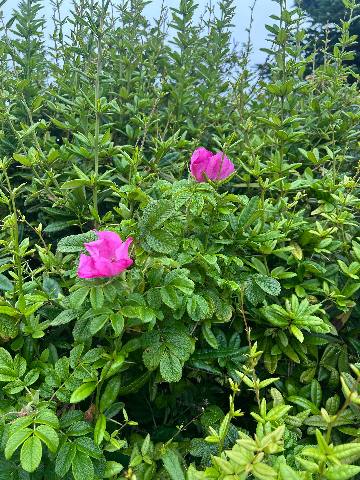
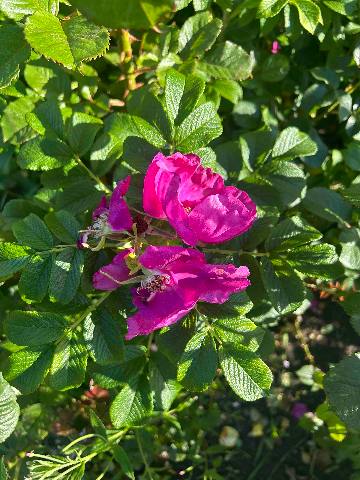
A Wild Rose in Ratoath is recorded with direct simplicity [1]. Two days later in Dollymount, the naming becomes more specific with a European wild rose [2]. The pair carries the same recurring flower between places, moving from a broad common name to a more defined one.
[1]
Ratoath — Wild Rose
[2]
Dollymount — European wild rose
Dollymount in Yellow and Pink
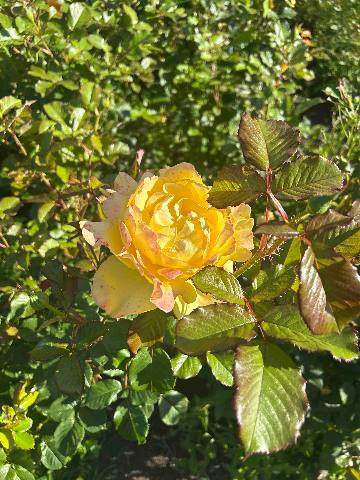
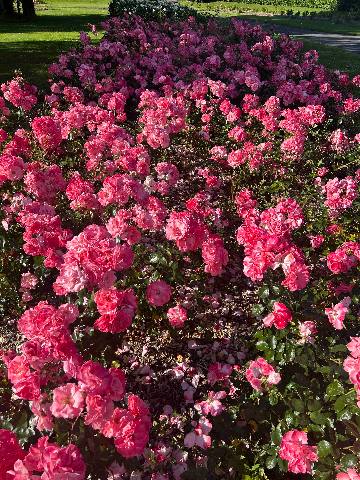
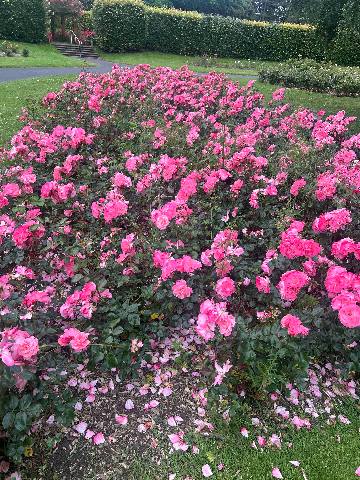
Dollymount becomes the centre of the cultivated roses: a yellow hybrid tea rose [3], pink hybrid roses [4] and pink roses [5]. A longer note then widens the view, setting their centuries of reverence beside the chemical complexity of rose essential oil and its anti-inflammatory and aphrodisiac properties [6].
[3]
Dollymount — Yellow hybrid tea rose
[4]
Dollymount — Pink hybrid roses
[5]
Dollymount — Pink roses
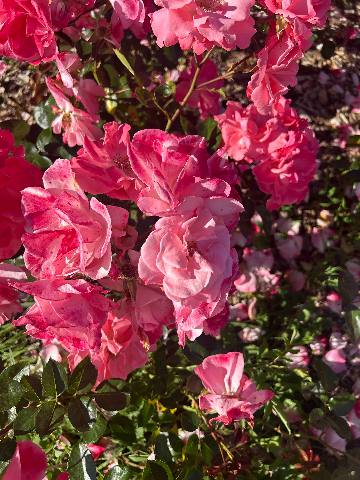
[6]
Dollymount — Roses, revered for centuries, possess a multifaceted allure. Beyond their beauty, they are chemically complex, producing an essential oil known for its anti-inflammatory and aphrodisiac properties.
Also in this thread
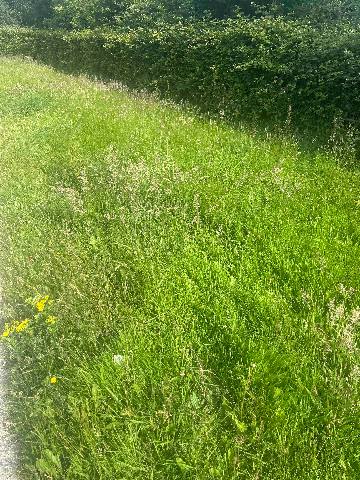
[7]
Donaghmede — A lush patch of greenery with wildflowers along a hedgerow.
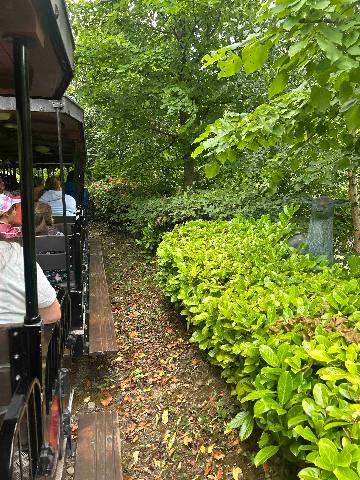
[8]
Ratoath — Garden trains have roots tracing back to early 20th-century Europe, where they were a novel way to blend engineering with the beauty of nature.
A small archive is forming around roses in the wild and in cultivation, with greenery and garden engineering extending the thread beyond the flower itself.