humi · map.name
Buildings Worth Shrinking
This gathered on its own, from 4 captures, January 2025 to June 2026.
Two domes, sixteen months apart: one in glass over an Istanbul atrium, one in stone in a Kildare garden. Somewhere between them a habit takes shape, photographing buildings not as scenery but as objects, the way a modeller studies a kit before opening the box.
Down to street scale
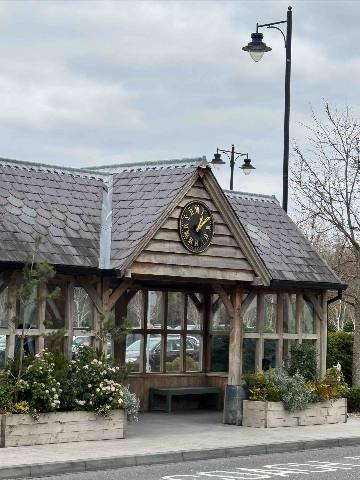
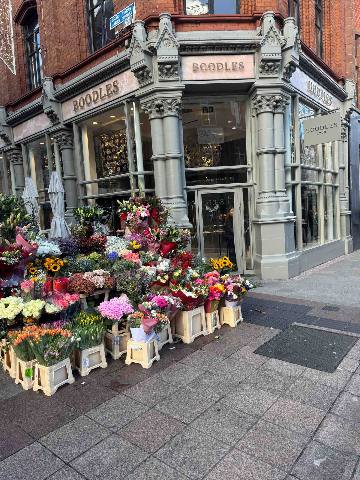
The lens drops to things at hand height: a vintage coffee roaster inside a Dublin shop [1], a timber-framed building with a clock and planters in a public square [2], a flower stand on a city sidewalk [3]. These are the parts a diorama lives or dies on, the clutter that makes a scene look inhabited.
[1]
Dublin, A vintage coffee roasting machine in a shop interior.

[2]
Dublin, Kildare, a timber-framed building with a clock and outdoor planters in a public space
[3]
Dublin, a flower stand on a city sidewalk in front of a shop
Then a saved article names it
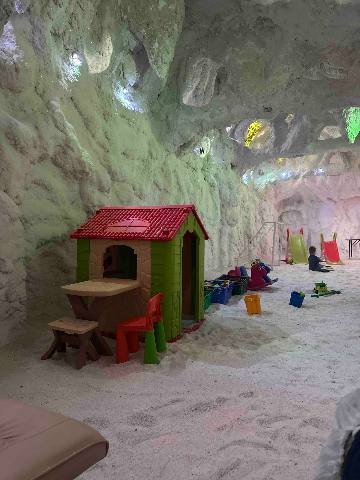
In Islington the thread turns explicit with a piece on cave playgrounds, structures that "mimic prehistoric shelters, offering not just fun but a sensory experience" [4]. Buildings, it argues, are things to climb inside, which is what every capture here had been circling.
[4]
Islington, Cave playgrounds combine the allure of natural landscapes with the creativity of play spaces. Such settings mimic prehistoric shelters, offering not just fun but a sensory experience, engaging children with textured …
The thread runs from a dome big enough to hold a garden to a cave small enough for a child. Start to finish, it is one subject: built forms caught at the scale of the body, as if waiting to be rebuilt small.