Where the Garden Stops Being a Garden
The gardens keep refusing to stay decorative.
5 catches
Between neat rows of tulips and lawn statues, birds, swans and kangaroos hold the frame, making the built places around them look briefly secondary.
Water at the edge of the suburbs
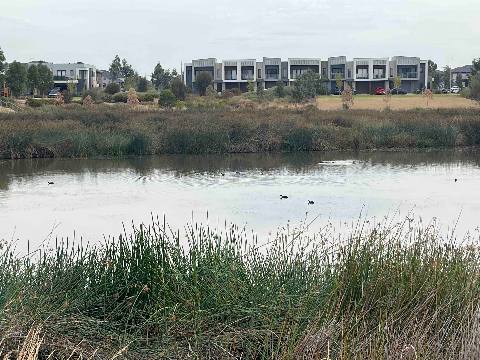
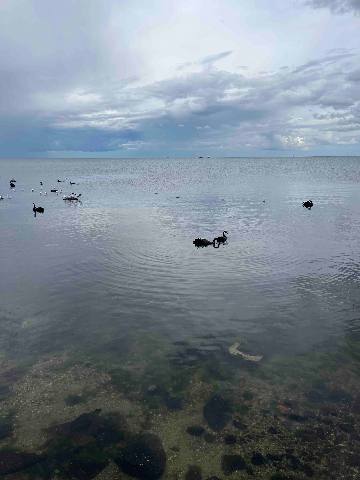
It begins with animals already occupying the spaces made around them: wild birds on a pond in front of suburban townhouses, then black swans moving through a shallow bay beneath a cloudy sky. The contrast is quiet rather than dramatic, the housing, the open water, and the birds all share the same view. ([1], [2])
[1]
A pond with wild birds in front of suburban townhouses Memories, Williams Landing
[2]
Memories, Altona, black swans swimming in a shallow bay under a cloudy sky
The garden fills up
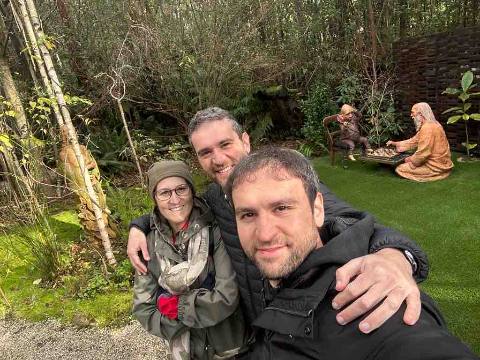
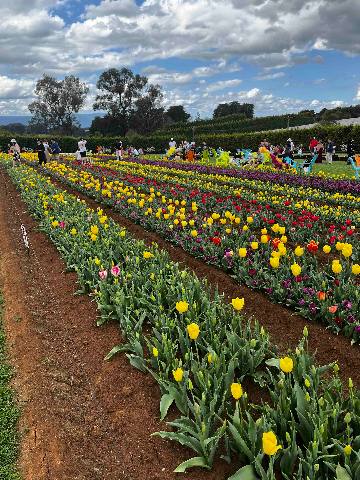
Elsewhere, people pose among lawn statues and walk the paths between tulip rows in full sun. The gardens are arranged for looking, but they are never empty; visitors become part of the pattern as soon as they step into it. ([3], [4])
[3]
Memories, Healesville, three people taking a selfie in a garden with lawn statues
[4]
A tulip flower field with visitors on a sunny day Mount Evelyn
One last field of animals
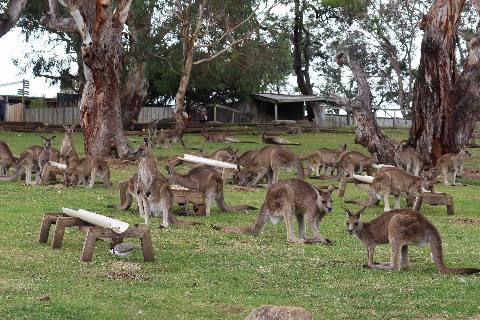
The final scene is not a flower bed or a formal display but kangaroos gathered in grass beside wooden feeding troughs. After the ponds, swans and crowded tulips, the field looks like the simplest version of the same idea: a landscaped place still being used by animals. ([5])
[5]
A group of kangaroos in a grassy field with wooden feeding troughs Hobart, Claremont
What stays is the overlap: townhouses behind wild birds, visitors among tulips, and kangaroos standing beside feeding troughs.